
Can You Buy a CPAP Mask Online? What to Check Before You Order
Yes, they can buy a CPAP mask online in the UK, and many people do. The key is knowing what to check first, because the “right” mask is more about fit and comfort than brand.
Buying a CPAP mask online can be cheaper and faster, but it also makes it easier to pick the wrong size, the wrong mask type, or a non-returnable product. This guide covers the practical checks that help them order confidently.
Can they legally buy a CPAP mask online in the UK?
Yes. A CPAP mask is generally sold as an accessory and is widely available online without a prescription.
However, some sellers may ask for proof of diagnosis or a clinician’s recommendation, especially if they bundle a mask with a device. If they are unsure, they should check the retailer’s policy before placing an order.
Do they need a prescription to order a CPAP mask?
Usually not for the mask alone. A prescription is more commonly required for CPAP machines, not the mask and headgear.

That said, having the clinician’s notes helps because it often includes the mask style they used during setup, plus the size they were fitted with. If they do not have this information, they should treat sizing as the main risk to manage.
Which CPAP mask type should they choose before ordering?
They should match the mask type to their breathing habits and comfort needs. Most masks fall into three types: nasal pillows, nasal masks, and full-face masks.
Nasal pillows suit people who want minimal contact, but they can feel intense at higher pressures. Nasal masks are a middle ground. Full-face masks are often best for mouth-breathers or people with frequent nasal blockage.
How can they check the correct size when shopping online?
They should not guess based on “small, medium, large” alone. Each manufacturer sizes differently, and many models have printable sizing templates.
A reliable approach is to find the exact model and download its fitting guide, then measure as instructed. If they are between sizes, they should follow the brand’s guidance rather than sizing down automatically. Clcik here for CPAP mask brands comparison.
What details should they confirm about compatibility with their CPAP machine?
Most CPAP masks use a standard 22mm hose connection, so basic compatibility is usually straightforward. The more common problems are practical ones: the wrong hose type, the wrong headgear style, or missing parts.
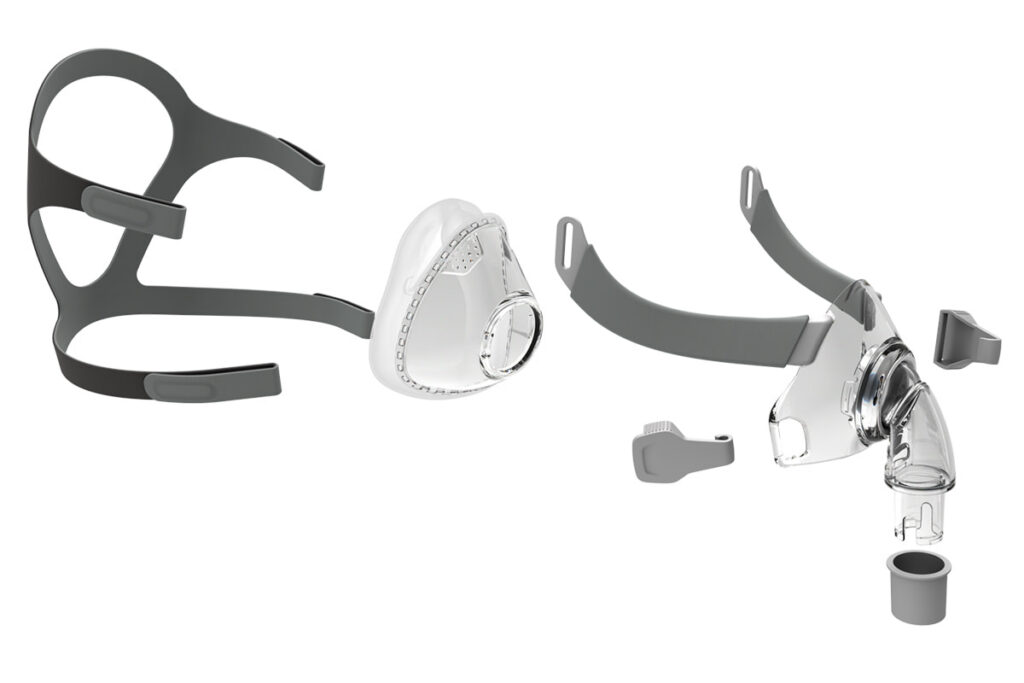
They should check whether the listing includes the frame, cushion, elbow and headgear, or if it is “cushion only”. Product photos can be misleading, so they should rely on the written “what’s included” section.
Should they buy a complete mask kit or just replacement parts?
If they are trying a new model, a complete kit is usually safer. It ensures they have the correct frame and headgear for that cushion shape.
If they already use the same mask model, buying replacement cushions can be cost-effective. They should double-check the exact model name and generation, because small design changes can make parts incompatible even within the same brand. Visit https://www.health.harvard.edu/healthy-aging-and-longevity/sleep-hygiene-simple-practices-for-better-rest to get about simple practices for better rest.
What return and hygiene rules should they check before ordering?
They should assume opened masks may be non-returnable for hygiene reasons unless the retailer clearly states otherwise. This is the biggest downside of buying online.
They should read the returns page before checkout and look for terms like “unopened”, “sealed packaging”, and “fit guarantee”. A fit guarantee or exchange scheme can be worth paying slightly more for, especially when trying a new mask style.
How can they spot counterfeit or unsafe CPAP masks online?
They should be cautious with marketplaces and unusually cheap listings. Counterfeits may look similar but can have poorer seals, uncomfortable materials, or weak clips that fail at night.
They should look for authorised retailers, clear UK contact details, and full product labelling. If the listing lacks the manufacturer name, model number, or proper packaging images, it is safer to avoid it. Learn more about counterfeit (fake) medicines and medical devices.
What should they check about comfort features before committing?
They should look for the features that reduce common complaints: noise, pressure marks, leaks, and dryness. Comfort is often determined by small design details.
Useful checks include whether the cushion is silicone or memory foam, whether the frame rests on the nasal bridge, and whether the venting is diffused for quieter airflow. If they sleep on their side, a low-profile frame usually helps.
How do they know if a mask will seal properly for them?
They should think in terms of face shape and sleeping position, not just size. Leaks often happen when the cushion is too narrow, the headgear is overtightened, or the mask shifts when they turn.
If they already have leak data from their CPAP app, they can use it as a clue. Persistent leaks with a nasal mask may point to mouth leak, while leaks near the eyes may suggest a poor fit around the bridge of the nose.
Should they buy online if they are new to CPAP?
They can, but it is riskier without a confirmed size and style. New users benefit most from a guided fitting, even if the final purchase happens online.
If they are new, the safest route is to buy from a retailer with strong support, an exchange option, and clear sizing tools. They should also avoid buying “cushion only” items as a first purchase, as it can lead to missing parts and extra costs.
What is the safest checklist to follow before they place the order?
They should confirm the mask type, correct size using the brand template, and exactly what parts are included. They should also verify the returns policy and buy from a reputable seller.
A quick final check helps: model name, size, included components, compatibility, and return terms. If any one of these is unclear, they should pause and clarify before ordering, because the cost of a wrong mask is usually a bad night’s sleep, not just a wasted delivery.
FAQs (Frequently Asked Questions)
Can I legally buy a CPAP mask online in the UK without a prescription?
Yes, CPAP masks are generally sold as accessories and widely available online in the UK without a prescription. However, some sellers may request proof of diagnosis or clinician’s recommendation, especially when bundled with a device. It’s best to check the retailer’s policy before ordering.
Do I need a prescription to order just a CPAP mask and headgear?
Usually not. Prescriptions are more commonly required for CPAP machines rather than masks or headgear. Having clinician’s notes helps identify the correct mask style and size used during setup, which is valuable for ordering the right fit.
How do I choose the right type of CPAP mask before buying online?
Choose a mask type that matches your breathing habits and comfort needs. Nasal pillows offer minimal contact but may feel intense at higher pressures; nasal masks provide a middle ground; full-face masks suit mouth-breathers or those with frequent nasal blockage.
What is the best way to ensure I select the correct CPAP mask size when shopping online?
Avoid guessing sizes based on small, medium, or large alone. Each manufacturer sizes differently. Download the exact model’s fitting guide and measure as instructed. If between sizes, follow brand guidance rather than automatically sizing down.
Should I buy a complete CPAP mask kit or just replacement parts online?
If trying a new model, purchasing a complete kit is safer to ensure compatibility of frame and headgear with the cushion shape. For existing models, replacement cushions can be cost-effective but verify exact model name and generation to avoid incompatibility.
What return and hygiene policies should I check before ordering a CPAP mask online?
Assume opened masks may be non-returnable due to hygiene unless stated otherwise by the retailer. Review return terms carefully for conditions like ‘unopened’, ‘sealed packaging’, or ‘fit guarantee’. Retailers offering exchange schemes can provide extra confidence when trying new styles.