
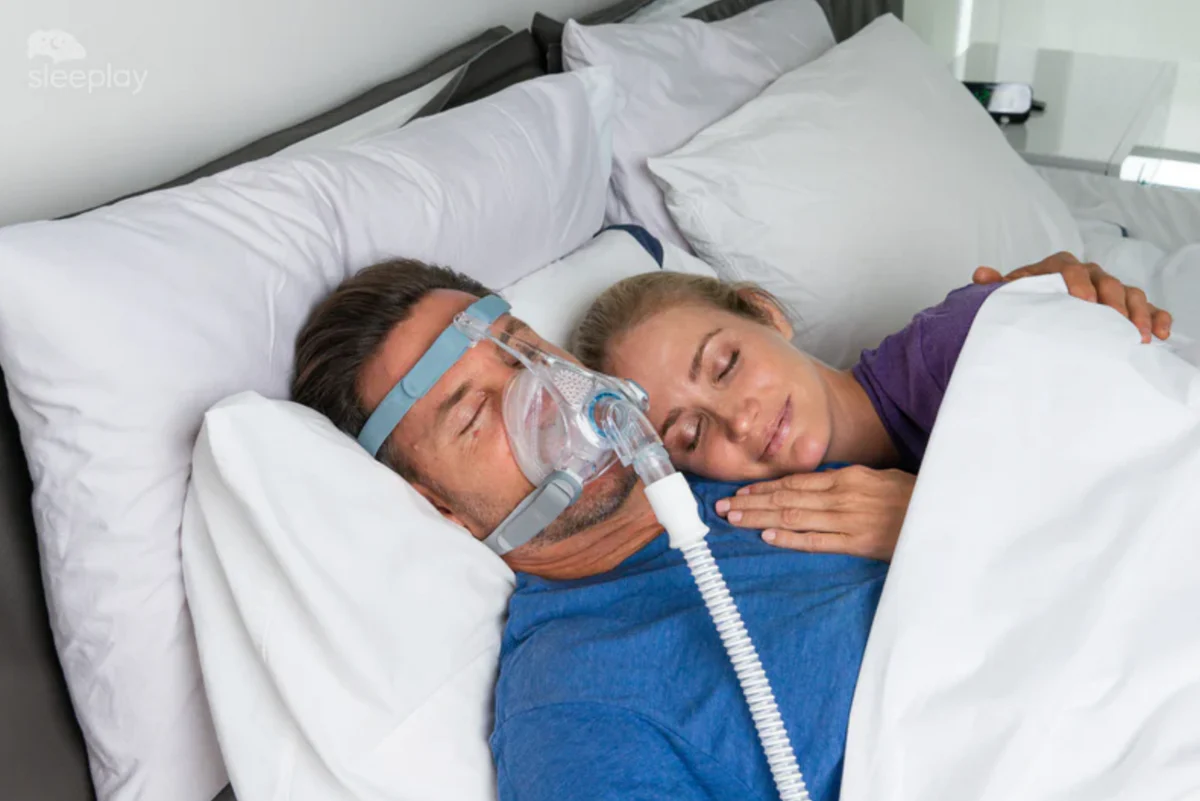
CPAP Mask Brands Compared: Which One Is Right for You?
Choosing a CPAP mask brand is less about “the best” and more about the best match for a person’s face, sleeping style, and pressure needs. Most modern masks work well, but small differences in fit, noise, cushion feel, and headgear can decide whether therapy feels effortless or unbearable.
This guide compares leading CPAP mask brands in plain terms, so they can narrow down options quickly.
What should they prioritise when comparing CPAP mask brands?
They should prioritise seal, comfort, and stability first, then fine-tune around noise, hose routing, and spare-part availability. A mask that leaks or shifts at night will undo any advantage of a premium design.
They should also check whether the brand’s cushions and headgear are easy to replace locally. A great mask becomes frustrating if parts are expensive or hard to find.
Which brands are most trusted for overall fit and reliability?
ResMed and Philips Respironics are the two most commonly stocked brands and are widely trusted for consistent sizing and long-term parts support. They tend to have broad ranges across nasal, nasal pillow, and full-face categories.
Fisher & Paykel is also highly trusted, especially for soft sealing and comfort-first designs. For many sleepers, their masks feel less “tight” while still sealing well.
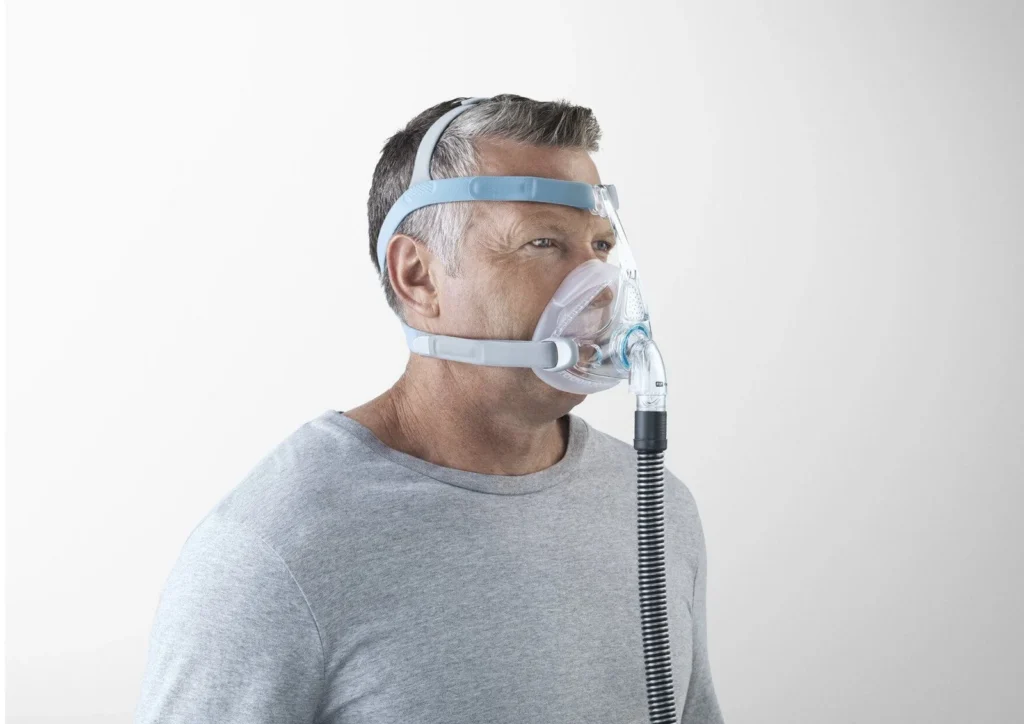
How does ResMed compare for comfort and leaks?
ResMed is often chosen for stable seals and quiet operation, especially at moderate to higher pressures. Their cushions typically feel supportive rather than ultra-soft, which many people prefer because it holds shape through the night.
They are a strong pick for people who want predictable sizing, easy-to-find replacement cushions, and designs that suit side sleeping without constant re-adjustment.
How does Philips Respironics compare for feel and breathability?
Philips Respironics masks are frequently described as softer on the face with forgiving cushions and comfortable headgear. Many models aim to reduce facial pressure points, which can help those who wake with soreness. You may also like to get more information about facial pressure points on https://www.healthline.com/health/pressure-points-for-face.
They can be a good choice for people who value a gentler feel and flexible fit. As with any brand, correct sizing matters more than the badge, so they should expect to trial and adjust.
How does Fisher & Paykel compare for sensitive skin and comfort?
Fisher & Paykel often suits people who prioritise comfort and a natural feel against the skin. Their masks are known for soft sealing surfaces and designs that spread contact pressure more evenly.
They are worth considering for sensitive skin, frequent red marks, or anyone who finds firmer cushions uncomfortable. They should still watch for leaks at higher pressures and ensure the cushion size is correct. Learn more also about clinical features of skin with reduced tolerance.
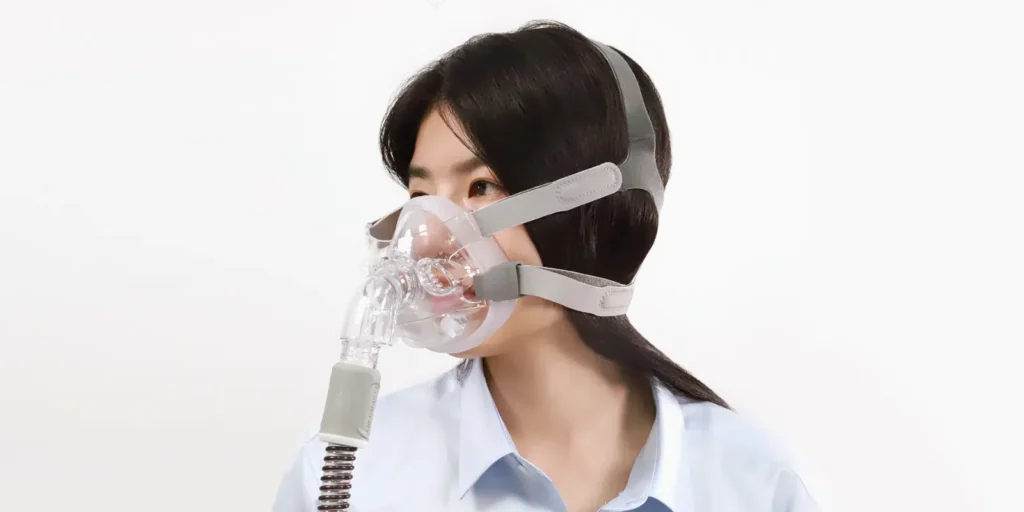
Which brands are best for nasal pillow masks?
For nasal pillows, ResMed and Philips Respironics dominate availability and variety, with options that suit active sleepers and those who want minimal facial contact. People who dislike bulky frames often gravitate towards these lines.
If they experience nostril irritation, they should look for softer pillow materials, correct pillow size, and straps that do not over-tighten. Brand matters, but sizing and strap tension matter more.
Which brands are best for full-face masks?
ResMed, Philips Respironics, and Fisher & Paykel all offer strong full-face options, but they feel quite different. ResMed often focuses on structure and stability, Philips often leans into softer contact points, and Fisher & Paykel often aims for comfort and an easier seal across varied face shapes.
Full-face masks are typically best for people who breathe through the mouth, have frequent nasal blockage, or use higher pressures. They should expect a short adjustment period.
Which brand works best for side sleepers?
Side sleepers usually benefit from slimmer frames, stable headgear, and cushions that tolerate pillow contact without breaking the seal. ResMed and Philips both have popular side-sleeper-friendly designs, while Fisher & Paykel can be excellent if comfort is the main issue.
They should also consider hose routing and pillow choice. Even the best mask can leak if a firm pillow pushes the cushion sideways.
Which brand is best for high CPAP pressures?
At higher pressures, stability and seal structure become more important than softness. ResMed is often a strong option here because many of their designs maintain a consistent seal when pressure increases.
That said, high pressure success still depends on correct sizing and mask type. If they are on high pressures and experiencing leaks, a full-face or a more supportive nasal mask may work better than minimal pillows.
Which brand is easiest to maintain and find replacement parts for?
ResMed and Philips Respironics are typically easiest to service because cushions, headgear, and clips are widely stocked. This matters because cushions wear out and headgear stretches over time, even with careful cleaning.
They should check replacement pricing before committing. A mask that is affordable upfront can become expensive if proprietary parts cost more or need replacing frequently.

How can they choose the right brand without wasting money?
They should start by choosing the right mask category first: nasal pillows, nasal mask, or full-face. Then they can shortlist one or two brands that fit their priorities, such as softness, stability, or minimal contact. Click here to also know can you buy a CPAP mask online?
If possible, they should trial a mask through a provider with a return or swap option. The “right” brand is the one that seals comfortably for their face and stays put all night, not the one with the most marketing.
FAQs (Frequently Asked Questions)
What factors should I prioritise when choosing a CPAP mask brand?
When comparing CPAP mask brands, prioritise seal, comfort, and stability first. Then consider noise levels, hose routing, and the availability of spare parts locally. A mask that leaks or shifts during sleep can negate the benefits of a premium design.
Which CPAP mask brands are most trusted for fit and reliability?
ResMed and Philips Respironics are the most commonly stocked and widely trusted brands for consistent sizing and long-term parts support. Fisher & Paykel is also highly regarded for soft sealing and comfort-focused designs.
How do ResMed masks perform in terms of comfort and leak prevention?
ResMed masks are known for stable seals and quiet operation, especially at moderate to higher pressures. Their cushions provide supportive rather than ultra-soft feel, maintaining shape throughout the night, making them ideal for side sleepers seeking predictable sizing and easy replacement parts.
What makes Philips Respironics masks suitable for breathability and facial comfort?
Philips Respironics masks feature softer cushions and comfortable headgear designed to reduce facial pressure points. They offer a gentler feel with flexible fit options, which can help users who experience soreness or prefer a less firm mask contact.
Which CPAP mask brand is best for sensitive skin and maximum comfort?
Fisher & Paykel is often recommended for those prioritising comfort and natural feel against the skin. Their masks have soft sealing surfaces that spread contact pressure evenly, making them suitable for sensitive skin or users prone to red marks or discomfort from firmer cushions.
How can I choose the right CPAP mask brand without wasting money?
Begin by selecting the right mask category—nasal pillows, nasal masks, or full-face masks—based on your breathing patterns and preferences. Then shortlist one or two brands that align with your priorities like softness or stability. Whenever possible, trial masks through providers offering returns or swaps to ensure a comfortable seal that stays in place all night.