

Why CPAP Machines Australia Sold Must Meet TGA Standards
Buying a CPAP machine is not like buying a regular appliance. It is a therapeutic device that affects breathing every night, often for years, and a poor-quality unit can create real health risks.
That is why CPAP machines in Australia sold should meet Therapeutic Goods Administration (TGA) standards. Those rules exist to make sure the device is safe, performs as claimed, and is supported properly in an Australian healthcare context.
Why do TGA standards matter for CPAP devices in Australia?
TGA standards matter because they set a minimum safety and performance baseline for devices used to treat sleep apnoea. In practice, they help ensure the unit delivers stable pressure, alarms and filters work correctly, and the device is appropriately labelled and supported.
For consumers, it is the difference between a regulated medical device and a product that may be poorly tested, incorrectly specified, or not suitable for Australian use.
What is the TGA, and what does it regulate for CPAP therapy?
The TGA is Australia’s regulator for therapeutic goods, including medical devices. For CPAP therapy, it regulates how devices are supplied, how they are marketed, and whether they meet requirements around quality management, technical documentation, and post-market monitoring.
When CPAP machines Australia sold are included on the Australian Register of Therapeutic Goods (ARTG), it signals the supplier has met regulatory obligations for legal supply.
How does ARTG listing protect people buying CPAP machines?
ARTG listing helps protect buyers by making suppliers accountable for compliance and ongoing safety. If an issue is identified, there is a clear chain of responsibility for corrective action, recalls, and customer communication.
It also reduces the chance of misleading claims, since regulated devices must match their intended purpose and supplied documentation.
What can go wrong with non-compliant CPAP machines?
Non-compliant units can fail in subtle ways that are hard to spot on night one. They may deliver unstable pressure, have inaccurate sensors, run hotter than expected, or use poor electrical components.
Over time, that can mean ineffective therapy, disturbed sleep, or increased safety risks. For CPAP machines Australia sold outside the regulated pathway, buyers can also be left with limited support if something goes wrong.
How do TGA standards support safety and electrical compliance?
A CPAP machine runs near the face for hours and is usually powered from mains electricity, so basic electrical safety is non-negotiable. TGA requirements sit alongside Australian electrical expectations, pushing suppliers to ensure devices are designed and documented for safe use.
This matters for charging systems, power supplies, overheating protection, and safe operation across typical Australian home conditions.
Why does consistent pressure delivery matter for sleep apnoea treatment?
The goal of CPAP therapy is stable airway pressure that prevents obstruction during sleep. If pressure delivery drifts or reacts incorrectly, the person may still experience apnoeas, hypopnoeas, and oxygen drops.
TGA-focused quality systems help ensure CPAP machines Australia sold perform consistently across production batches and over the device’s working life, not just in a single demo unit.
What role do masks, tubing, and filters play in compliance?
The machine is only part of the therapy. Masks, tubing, humidifiers, and filters affect delivered pressure, leak rates, and hygiene.
When suppliers treat the system as a medical device ecosystem, they are more likely to provide compatible components, correct replacement schedules, and safe materials. That is part of why CPAP machines Australia sold through compliant pathways tend to include clearer guidance on setup and maintenance.
Do TGA standards affect humidifiers and heated tubing?
Yes, because humidification can influence comfort, condensation, and infection control. Heated humidifiers and heated tubing also add electrical and thermal considerations.
TGA-aligned supply encourages proper instructions, safe temperature control, and verified compatibility, reducing the risk of burns, water ingress issues, or performance problems linked to third-party add-ons.
How do TGA requirements reduce the risk of counterfeit or grey-import devices?
Counterfeit and grey-import CPAP devices can look legitimate online. Packaging and logos can be copied, and listings can be vague about model numbers and local approvals.
TGA frameworks make it easier to verify whether a supplier and device pathway is legitimate. For CPAP machines Australia sold by authorised suppliers, there is usually clearer documentation, serial tracking, and traceability that discourages counterfeit distribution.
Why does accurate labelling and instructions matter for CPAP users?
Many therapy failures come down to incorrect setup, poor mask fit, or misuse of settings. Clear Australian-facing instructions help users avoid common mistakes, especially when they are new to therapy.
TGA expectations around labelling and documentation push suppliers to provide proper user information, warnings, and intended-use statements that match the device.

How do TGA standards influence claims about AHI, algorithms, and “auto” modes?
Marketing claims can oversell what a machine can do. Auto-adjusting pressure algorithms, event detection, and comfort features vary significantly between models.
TGA compliance encourages claims to align with technical documentation and intended use. That helps buyers compare devices more honestly and reduces the chance they rely on exaggerated performance claims when choosing CPAP machines Australia sold online.
What about data reporting, apps, and wireless connectivity?
Many modern devices include apps, cloud reporting, and wireless transmission. That can be helpful for adherence tracking and clinician review, but it adds complexity.
TGA-regulated supply pathways tend to provide clearer information on what data is collected, how it is used, and what the user can control. For CPAP machines Australia sold through recognised channels, buyers are less likely to be surprised by missing app support, incompatible networks, or unclear account requirements.
See Also : Choosing a CPAP Mask Seal That Fits Your Face Shape
Do TGA standards help with recalls and fault reporting?
Yes. If a device has a safety issue, the ability to identify affected batches and notify customers matters. TGA systems support structured recall processes and ongoing post-market surveillance.
If a fault trend appears, regulated suppliers are more likely to take corrective action, provide replacement parts, and issue formal notices. That safety net is a major reason CPAP machines Australia sold should meet TGA standards.
Why is warranty support different with TGA-compliant supply?
Warranty is not just a promise. It depends on the supplier’s presence, parts access, and willingness to honour consumer guarantees in Australia.
With non-compliant imports, buyers can end up with overseas return processes, no local service agent, or a retailer that disappears. With CPAP machines Australia sold through compliant suppliers, warranty processes are usually clearer and better aligned with Australian consumer expectations.
How do TGA standards affect clinician support and prescription pathways?
In Australia, many people start CPAP therapy after a sleep study and clinician recommendation. Their setup may include pressure settings, mask selection, and follow-up monitoring.
When a device is supplied through proper channels, it is more likely to fit within local clinical workflows, including compatible reporting tools and familiar model support. That is another practical benefit of buying CPAP machines Australia sold under TGA oversight.
Are there risks when buying CPAP machines from overseas websites?
The biggest risk is not always the device itself. It is the lack of certainty around authenticity, compatibility with Australian power and support, and whether the model matches the specifications shown online.
There can also be difficulties with returns, missing consumables, and unclear documentation. For CPAP machines Australia sold via legitimate local supply, there is usually more transparency and a simpler path to support.
How can buyers check if a CPAP device is TGA compliant?
They can start by checking whether the supplier states ARTG inclusion details and provides clear model identifiers. They can also ask for documentation and confirm the supplier is Australian-based with local support.
If information is vague, or the listing leans heavily on price with minimal detail, it is worth treating that as a warning sign, especially for CPAP machines Australia sold through large marketplaces.
What should they look for on product pages and invoices?
They should look for a full model name and number, the supplier’s Australian business details, and clear warranty terms. They should also expect Australian power information, included accessories, and guidance on consumables like filters.
A reputable supplier of CPAP machines Australia sold legally will usually provide clear contact details, returns information, and support options rather than pushing buyers to generic manufacturer pages.
Do TGA standards increase the price of CPAP machines?
They can, but the price difference often reflects real costs such as quality management, documentation, local support, and recall readiness. Those are not “extras” when the device is used nightly for therapy.
When comparing CPAP machines Australia sold locally versus cheaper offshore listings, it helps to factor in warranty risk, support access, replacement parts, and the cost of failed therapy.
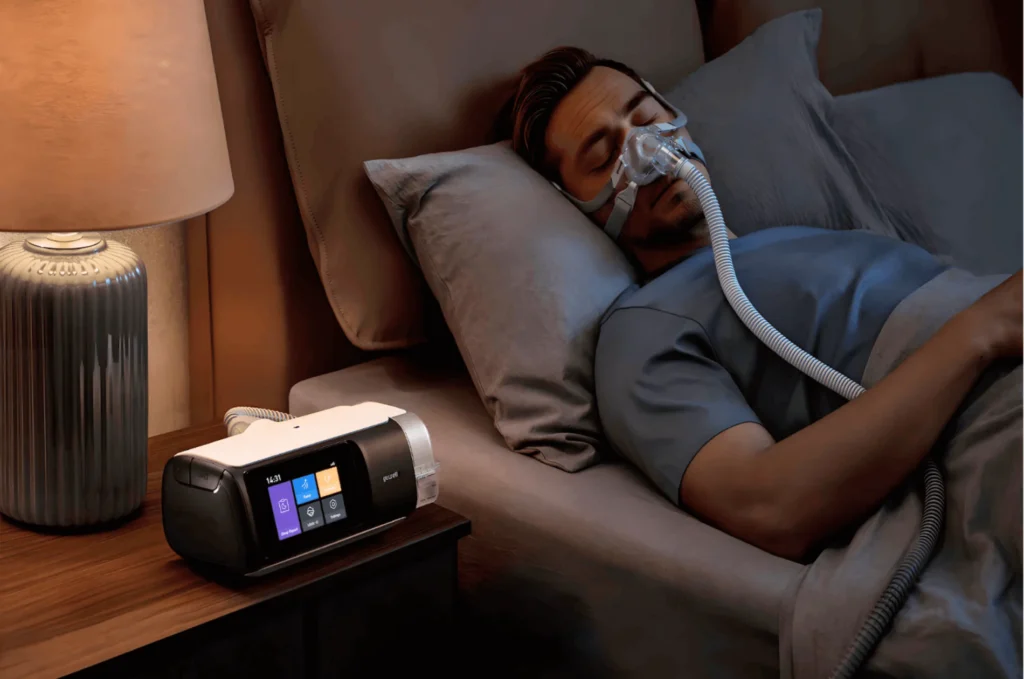
Why do TGA standards matter for long-term therapy success?
Long-term success depends on comfort, consistent performance, and confidence that the therapy is working. People are more likely to keep using CPAP when the device behaves predictably and when support is easy to access.
TGA standards support that by encouraging reliable devices, clearer instructions, and stronger accountability. For many households, that is the quiet value behind CPAP machines Australia sold through compliant supply.
What is the practical takeaway for Australians shopping for CPAP?
They should treat TGA compliance as a baseline, not a bonus. If the device is meant to manage sleep apnoea, it should be supplied with the same seriousness as any other medical device.
When CPAP machines Australia sold meet TGA standards, buyers gain safer equipment, clearer support pathways, and better protection if problems arise. That makes the decision simpler: choose compliant supply first, then compare features and comfort.