
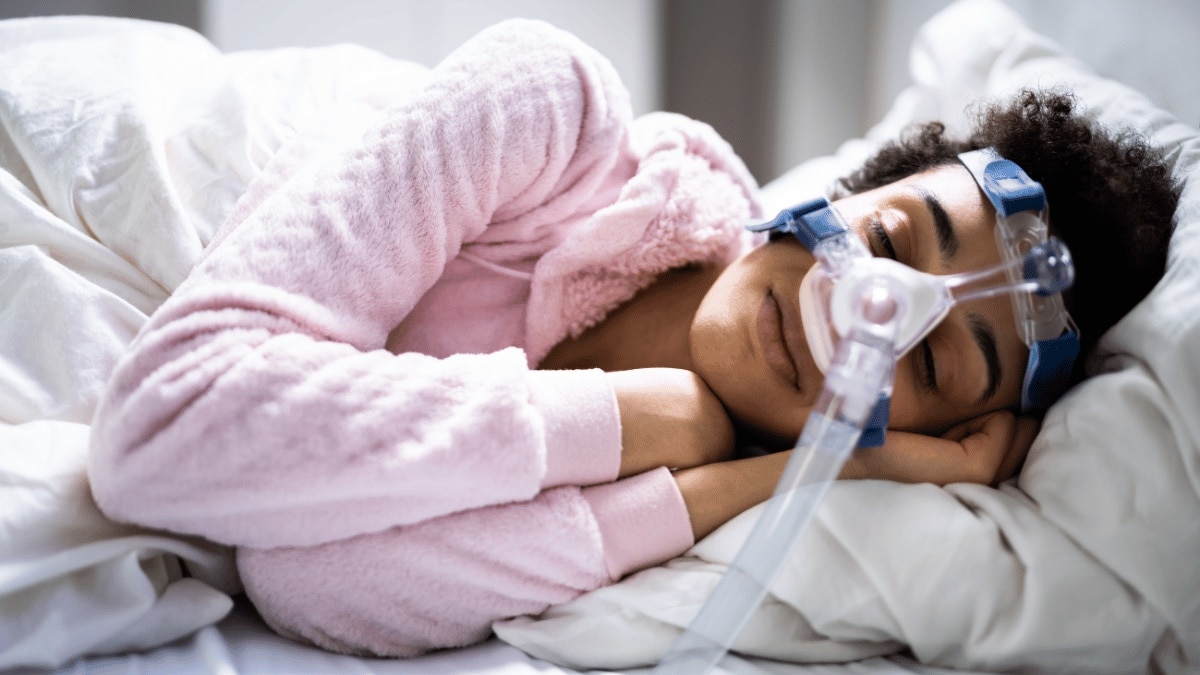
Why Do CPAP Masks Leak Air During the Night?
CPAP masks can leak at night because the seal shifts as they move, pressure changes through sleep stages, or the mask fit is slightly off. In Australia, even small factors like dry indoor air from heating or coastal humidity can make leaks more noticeable.
When CPAP masks leak air during the night, it can wake them up, dry out their eyes, reduce therapy effectiveness, and leave them tired the next day. The good news is most leaks have a clear cause and a practical fix.
Why do CPAP masks leak air during the night when the fit feels fine?
They can feel a “good fit” at bedtime, then start leaking once they relax into deeper sleep. Facial muscles soften, their jaw may drop, and the mask cushion can shift just enough to break the seal.
If CPAP masks leak air during the night, it often happens after they roll onto their side or their pillow presses the mask frame. A fit check while lying in their normal sleep position usually reveals the real issue, especially when deciding where to shop CPAP masks that suit their sleeping position.
How does sleeping position cause CPAP masks to leak?
Side and stomach sleeping can push the mask sideways, especially with bulkier full-face designs. Even back sleepers can get leaks if the head tilts and the cushion lifts near the bridge of the nose.
When CPAP masks leak air during the night, the leak point often matches where the pillow contacts the mask. A CPAP-friendly pillow or a slight strap adjustment can reduce pressure on the frame.
Could the wrong mask style be the reason CPAP masks leak air during the night?
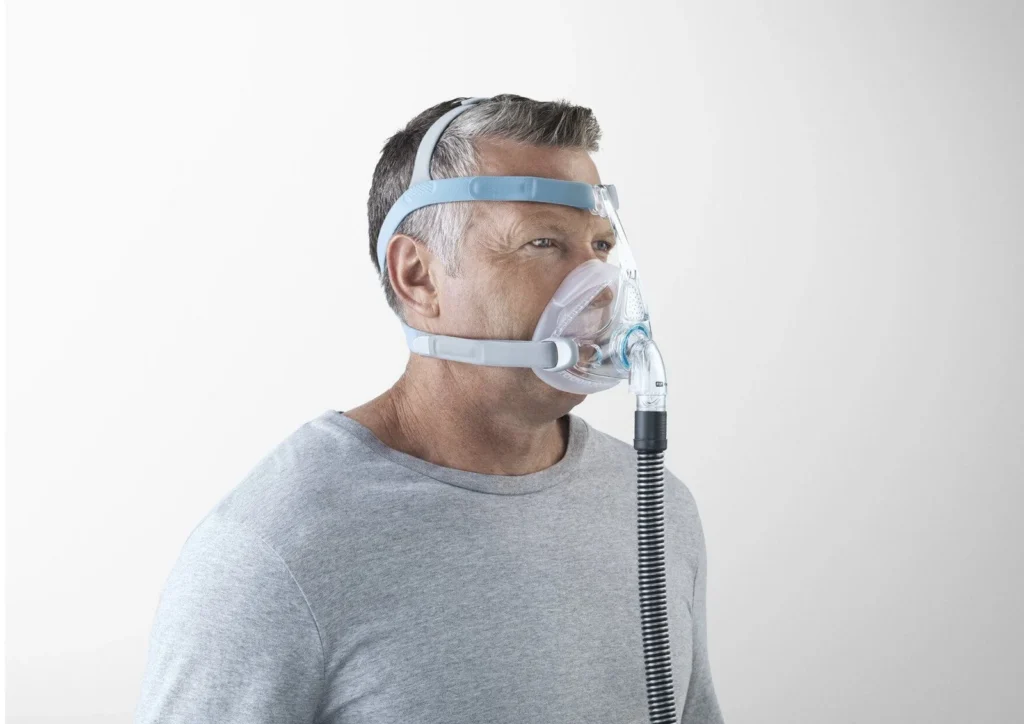
Yes. Nasal pillows suit some faces and pressure settings, while others do better with a nasal or full-face mask. If they breathe through their mouth, a nasal-only mask may leak as air escapes through parted lips.
If CPAP masks leak air during the night, matching mask type to breathing habits is key. Many Australian sleep clinics and CPAP retailers offer mask fitting sessions that can speed up the trial-and-error phase.
Do mouth leaks explain why CPAP masks leak air during the night?
Often. Mouth leaks are common when they have nasal congestion, allergies, or naturally breathe through the mouth. They might notice a dry mouth, drooling, or a sudden rush of air that wakes them.
If CPAP masks leak air during the night, addressing nasal blockage can help, along with a chin strap or switching to a full-face mask. They should avoid taping unless guided by a qualified clinician.
Can mask straps being too tight make CPAP masks leak air during the night?
Yes. Overtightening can flatten the cushion and cause micro-gaps, especially around the nose and cheeks. Many modern cushions seal best when they inflate slightly with pressure.
When CPAP masks leak air during the night, tightening is a common instinct that can backfire. They usually get better results by loosening straps, reseating the mask, and then adjusting in small increments.
Does mask cushion wear and tear cause CPAP masks to leak air during the night?
Absolutely. Cushions soften, lose shape, and develop tiny cracks or slick surfaces that reduce grip. Oils from skin and skincare products can accelerate this, especially in warmer Australian climates.
If CPAP masks leak air during the night, checking the cushion age and condition is a fast win. Many suppliers recommend routine replacement schedules, and private health extras may help cover parts depending on the fund.
Could the mask be the wrong size and lead to CPAP masks leaking air during the night?
Yes. A cushion that is slightly too large can ride up into the eyes, while one that is too small may sit on the nostrils or pull at the corners of the mouth. Either can create a seal that fails after movement.
When CPAP masks leak air during the night, sizing is worth rechecking with the brand’s fitting guide. Different manufacturers size differently, so “medium” is not universal.
How do pressure settings affect why CPAP masks leak air during the night?
Higher pressures can magnify small seal issues and lift the cushion during exhale. Auto-adjusting machines can also increase pressure in response to events, and that change can trigger leaks.
If CPAP masks leak air during the night, their clinician may review therapy data to see whether pressure spikes line up with leak spikes. They should not change prescribed pressures without professional guidance.
Can humidification and Australia’s climate make CPAP masks leak air during the night?
Yes. Dry air from winter heating can dry the nasal passages, leading to mouth breathing and leaks. In humid coastal areas, excess moisture can create condensation that makes the cushion slippery.
When CPAP masks leak air during the night, adjusting humidifier levels and hose temperature can stabilise comfort. Many Australians find they need different humidifier settings across seasons.
Is condensation (“rainout”) a reason CPAP masks leak air during the night?
It can be. Moisture can pool in the mask or tubing and disrupt the seal, especially on cooler nights. They might hear gurgling, feel splashes, or notice sudden leaks after a position change.
If CPAP masks leak air during the night, reducing rainout usually involves a heated tube, a hose cover, or lowering humidity slightly. Keeping the machine a bit lower than the bed can also help water drain back.
Could facial hair or skincare products be why CPAP masks leak air during the night?
Yes. Beards and stubble can prevent full contact between cushion and skin, and moisturisers can make the seal slide. Even sunscreen residue from an evening walk can matter.
When CPAP masks leak air during the night, they can try cleaning the face before bed and avoiding heavy creams where the cushion sits. Some mask styles seal better on facial hair than others, so switching designs may help.
Do nasal congestion and allergies contribute to CPAP masks leaking air during the night?
Yes. If their nose blocks overnight, they may open their mouth and create a leak path. In Australia, common triggers include dust, mould, pollen seasons, and indoor irritants.
If CPAP masks leak air during the night, improving nasal airflow can reduce leaks quickly. Saline rinses, checking humidification, and speaking with a GP or pharmacist about suitable options can be useful.
Other Resources : Indoor air pollution and your health
Can incorrect cleaning cause CPAP masks to leak air during the night?
It can. Harsh cleaners can degrade silicone, and incomplete rinsing can leave residue that irritates skin and increases movement. On the other hand, not cleaning enough can leave oils that make the cushion slip.
When CPAP masks leak air during the night, a gentle daily wipe of the cushion and regular washing with mild soap can help. They should follow the specific care instructions for their mask model.
How can they tell if CPAP masks leak air during the night enough to matter?
Most machines record leak data, often shown as a leak rate or a “mask seal” indicator in the app. They may also notice symptoms like dry eyes, noisy airflow, or waking unrefreshed.
If CPAP masks leak air during the night, the goal is usually to stay under the manufacturer’s acceptable leak threshold so therapy can work properly. Their sleep physician or CPAP provider can interpret reports if the numbers are confusing.
What quick checks can stop CPAP masks leaking air during the night tonight?
They can fix many leaks in a few minutes by reseating the mask while lying in their usual sleep position. Small adjustments beat big changes, and it helps to test at full therapy pressure using the machine’s mask-fit feature.
If CPAP masks leak air during the night, these quick checks often help:
- Reseat the cushion and smooth it onto the face without over-tightening
- Adjust straps evenly, one small step at a time
- Move the hose so it is not pulling (a hose holder can help)
- Try a different pillow or reduce pillow contact with the mask
When should they replace gear if CPAP masks leak air during the night repeatedly?
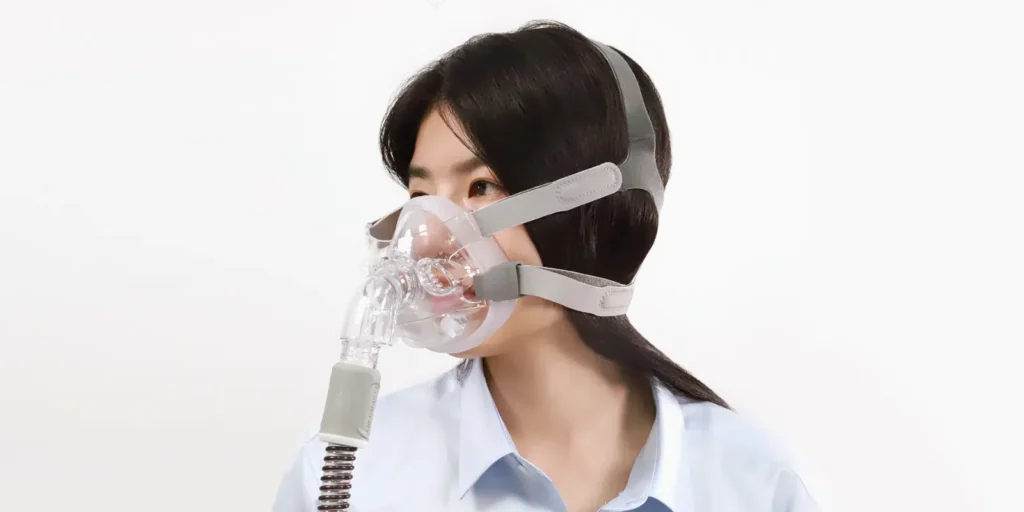
If leaks persist despite good fitting, the cushion may be worn, the headgear may have stretched, or the frame could be slightly warped. These parts can degrade gradually, so the change is not always obvious.
When CPAP masks leak air during the night, replacing the cushion first is often the simplest trial. If that fails, headgear and then the full mask system are the next logical steps, ideally guided by their supplier’s recommendations.
When should they get professional help for CPAP masks leaking air during the night?
They should seek help if leaks are frequent, sleep quality is worsening, or therapy data shows persistent high leaks. A refit can identify issues they cannot see, like subtle sizing errors or pressure-related problems.
If CPAP masks leak air during the night, an Australian sleep clinic, respiratory clinic, or CPAP retailer can often do a mask trial and fit check. If they have new facial pain, skin breakdown, or severe dryness, they should speak with their clinician promptly.
Related : What Should You Know About Home Oxygen Therapy Options?